
What 'Guardrail at the Cliff' Looks Like in Practice
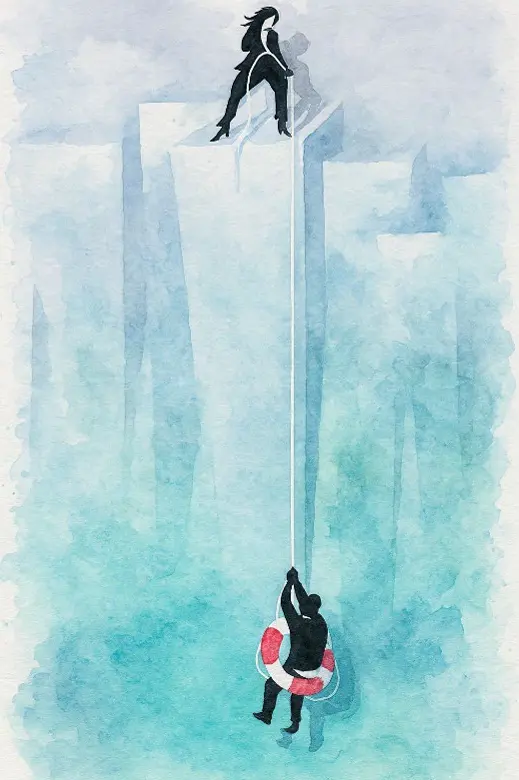
At Tribeworks, we often say: “We’d rather be your guardrail at the top of the cliff, than your ambulance at the bottom.”
It’s a catchy line – but it’s also a strategy. Because when a business calls us in crisis, we can help. But when they call us earlier, we can prevent the crisis altogether. It’s the difference between pro-active and reactive.
So what does guardrail consulting actually look like?
1. Asking the Right Questions Before You Act
Guardrails slow you down – in a good way. We ask the tough questions before you:
- Hire too fast
- Overcommit a team already at capacity
- Launch without the right systems
We help you pause, think critically, and weigh the trade-offs .
2. Building Structure Before Stress Hits
If everything in your business lives in someone’s head, you’re one vacation or one resignation away from panic. Guardrail consulting means helping you:
- Document processes
- Clarify roles
- Establish decision-making rhythms
We help you create calm before things get stormy.
3. Protecting Your Time, Money, and People
Guardrails are proactive – and protective. We help you avoid the slow bleed of bad hires, misaligned priorities, and rework by:
- Designing intentional org structures
- Setting expectations clearly
- Creating metrics that matter
4. Making the Next Level Smoother
Most growth-stage pain is preventable. But only if you’re willing to plan for what’s coming, not just react to what’s here.
Guardrails help you:
- Lead with confidence
- Build a business that doesn't rely solely on you
- Avoid wasting time fixing what could have been prevented
5. Being the Calm Voice in the Room
And yes ― if you do go over the cliff, we can be the ambulance too. But it’s better (and cheaper) to stay on the road.
Guardrail consulting isn’t flashy. But it saves time, money, and morale.